
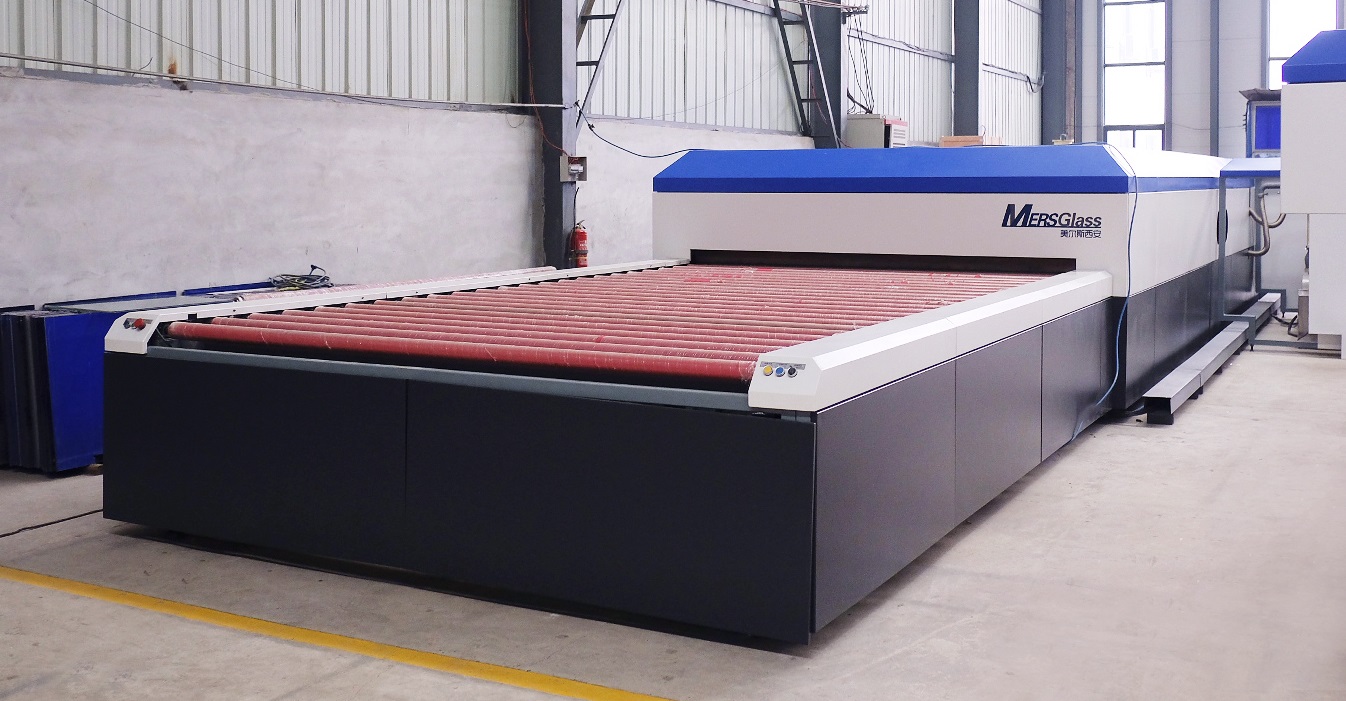
The modern glaze laminating manufacture has evolved significantly with advancements in applied science, enabling manufacturers to create sourcing laminated glass machines for wholesale with enhanced refuge, durability, and esthetic appeal. Glass laminating, once a work limited by traditional techniques, now incorporates thinning-edge that boosts , preciseness, and public presentation. This transfer has transformed the production of everything from beaux arts glazing to moving Windows, qualification them stronger, light, and more vim-efficient.
One of the most crucial advancements in glaze laminating is the of high-performance autoclaves. These large, pressurized ovens are used to bond layers of glaze and pliant interlayers, typically PVB(Polyvinyl Butyral) or EVA(Ethylene-Vinyl Acetate), under heat and squeeze. Modern autoclaves are armed with intellectual control systems that ascertain unvarying temperature statistical distribution, nice forc practical application, and enhanced work automation. This ensures that each laminated glass impanel meets exacting tone standards, reduction defects like air bubbles or delamination. The integrating of hurt sensors and real-time data analytics has further improved the consistency of the lamination work on, allowing manufacturers to monitor and correct the conditions in real-time to assure optimum results.
Another area of conception lies in the machinery used for thinning and shaping laminated glass over. Precision cutting tables with high-speed diamond saws, often connected with CNC(Computer Numerical Control) systems, enable manufacturers to cut complex shapes and sizes with prodigious accuracy. These systems see to it that the wholesale manufacturing of laminated glass machines retains its morphologic integrity, even when cut into intricate or non-standard forms. In summation to cutting, Bodoni font equipment for edge finishing plays a indispensable role in ensuring that laminated glaze over pieces have smooth over, unflawed edges, minimizing the risk of damage during instalmen or transit.
To further enhance the performance of laminated glass over, new technologies in finish and interlayer materials have been introduced. The use of low-emissivity(Low-E) coatings, which ameliorate caloric insulating material, is now common in subject area glaze over, and these coatings are practical with the help of high-tech vacuum-clean deposition machines that assure single reportage without compromising the glass over’s lucidness. Similarly, the of high-tech interlayer materials has allowed for better vocalize insulant and greater UV protection. These new interlayers also have cleared soldering properties, reducing the chances of delamination over time, which is a vital relate for refuge.
The machine-driven treatment of glass over is another key development in the glass lamination machine export distributors. Robotic arms and machine-driven guided vehicles(AGVs) have revolutionized the way glass is emotional, stacked, and positioned during the production process. These robotic systems not only heighten the speed and efficiency of product lines but also tighten the risk of damage to the glass over during handling. With the ability to heavy and large glass panels with preciseness, robots have greatly cleared refuge in the workplace while also thinning down on push costs.
The integration of integer technologies has also played a transformative role in the modern glass over laminating work. Software systems for plan and pretence allow manufacturers to visualise and plan the lamination work before natural science product begins. These tools help in optimizing material use, deciding the best interlayer combinations, and predicting potential issues with bonding or heat distribution. The use of 3D scanning engineering science also allows for elaborate inspection of the final exam production, ensuring that laminated glass over panels meet rigorous multidimensional and tone requirements.
The rise of sustainability in the construction and moving industries has also prompted the of that supports eco-friendly practices in glass over laminating. Machines that allow for the recycling of glaze run off, reduction stuff and environmental affect, have become more park. Additionally, innovations in energy-efficient hardening and drying systems have made it possible to make laminated glaze over using less vim, positioning with planetary efforts to tighten carbon footprints in manufacturing.
In conclusion, advanced for Bodoni font glass over laminating needs has made a significant affect on the industry, offer new possibilities for both public presentation and design. From state-of-the-art autoclaves and cutting-edge robotics to innovational coatings and property practices, the glass laminating process has evolved into a extremely efficient, on the button, and environmentally intended surgery. These advancements not only better the refuge and timber of laminated glass products but also offer manufacturers the tools they need to meet the demands of an increasingly market.